

CPI at 3.2% With a Savings Rate of 4.1% — The Inflation Squeeze Nobody Talks About
Core inflation is 'cooling.' But Americans are saving less than any point since 2007. The disconnect between the Fed's narrative and household reality is growing.
The Big Picture
The Federal Reserve's preferred inflation measure — the PCE Price Index — has declined from its 2022 peak, and the official narrative is one of successful disinflation. But zoom out to the consumer level and the picture is less rosy. Headline CPI remains above 3%, core CPI (excluding food and energy) is sticky at roughly 3.5%, and the personal savings rate has fallen to 4.1% — near its lowest level since the eve of the 2008 financial crisis. Americans aren't beating inflation. They're financing through it.
What's Moving
Headline vs. core: the gap that matters. Headline CPI at 3.2% includes food and energy, which have moderated. Core CPI at roughly 3.5% strips those out and reveals the stubborn truth: services inflation — rent, insurance, healthcare, childcare — refuses to come down. These are the costs you can't avoid or substitute away from. When the Fed says inflation is "trending toward target," they're talking about the number. When you feel like everything is still expensive, you're talking about the experience.
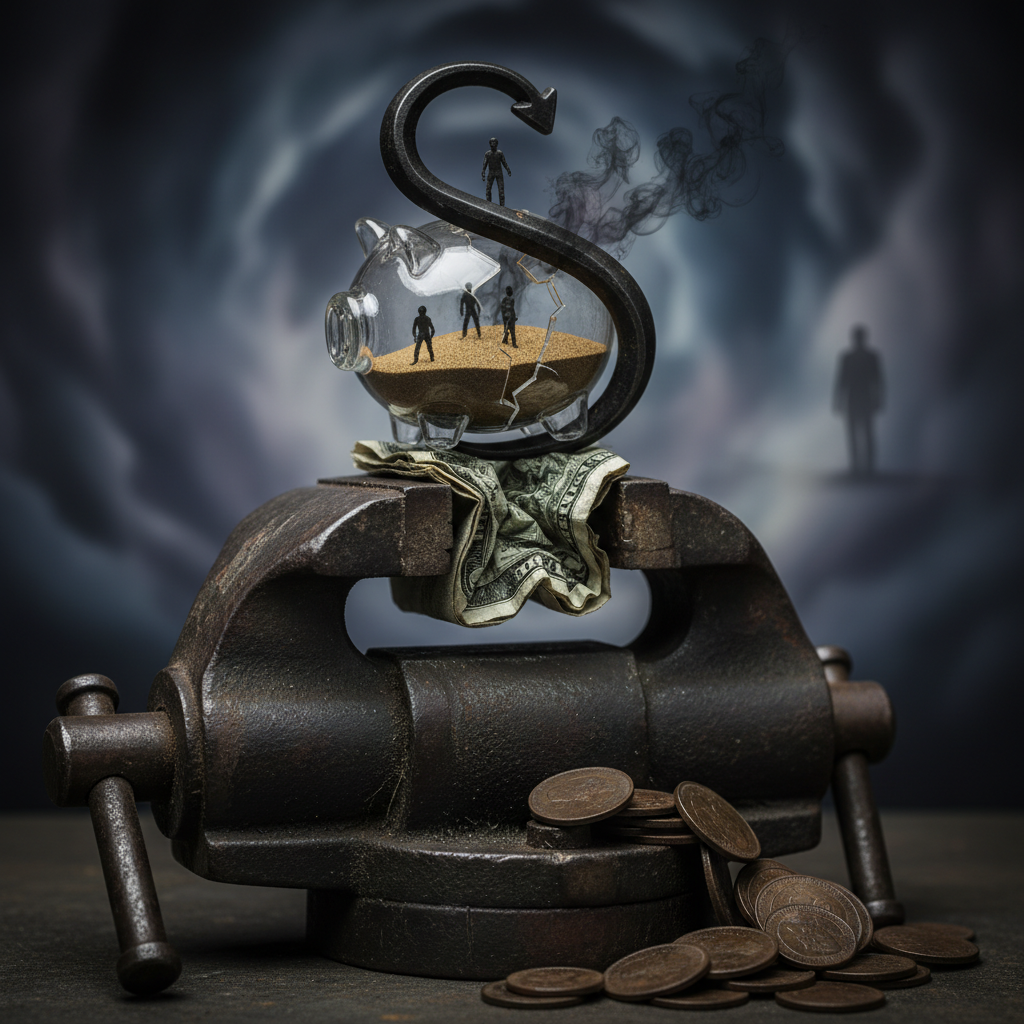
The savings rate tells the real story. At 4.1%, the personal savings rate means the average American household is saving roughly $4 out of every $100 in disposable income. Compare that to the pre-pandemic norm of 7-8%. Where's the money going? It's being consumed by the cumulative price level — prices haven't come down, they've just stopped rising as fast. The difference between 2% inflation and 0% inflation is that the former means prices keep compounding higher. Everything costs 20%+ more than it did in 2020, and wages for most workers haven't kept pace.
PCE vs. CPI: why the Fed prefers the lower number. The PCE Price Index typically runs 0.3-0.5 percentage points below CPI because it accounts for consumer substitution (when steak gets expensive, people buy chicken, and PCE captures that shift). This makes PCE more academically elegant but less reflective of the lived experience of maintaining your standard of living. When the Fed targets 2% PCE, it's implicitly accepting ~2.5% CPI — which means a permanent erosion of purchasing power for anyone whose wages don't grow at least that fast.
The debt bridge. With savings low, consumers are bridging the gap with debt. Credit card balances are at record highs with average APRs above 22%. This works in a strong labor market — people can service the debt. It becomes a crisis if unemployment rises even modestly. The personal savings rate is the canary in this particular coal mine.

The Bottom Line
Inflation isn't "over" — it's been normalized. Prices are permanently higher, and the rate of increase has merely slowed to something the Fed considers acceptable. For your household, this means: prioritize building your savings rate back above 6%, even if it means cutting discretionary spending. Pay down high-interest credit card debt aggressively — at 22% APR, every dollar of debt costs you more than any investment is likely to return. And when you see "inflation cooling" headlines, remember: cooling means prices are still rising, just slower. The price level ratchet only goes one direction.
Get Tomorrow's Layoff Briefing Today
AI displacement data, hiring signals, and Spotlight job leads — in your inbox every morning.
Track every layoff in real time
See which companies are cutting, how many jobs are affected, and whether AI is the cause.
Related Reading


Daily briefing — free