

Food Prices Up 3.1% in Feb: Global Shocks Loom, Despite "Value Reset" Claims
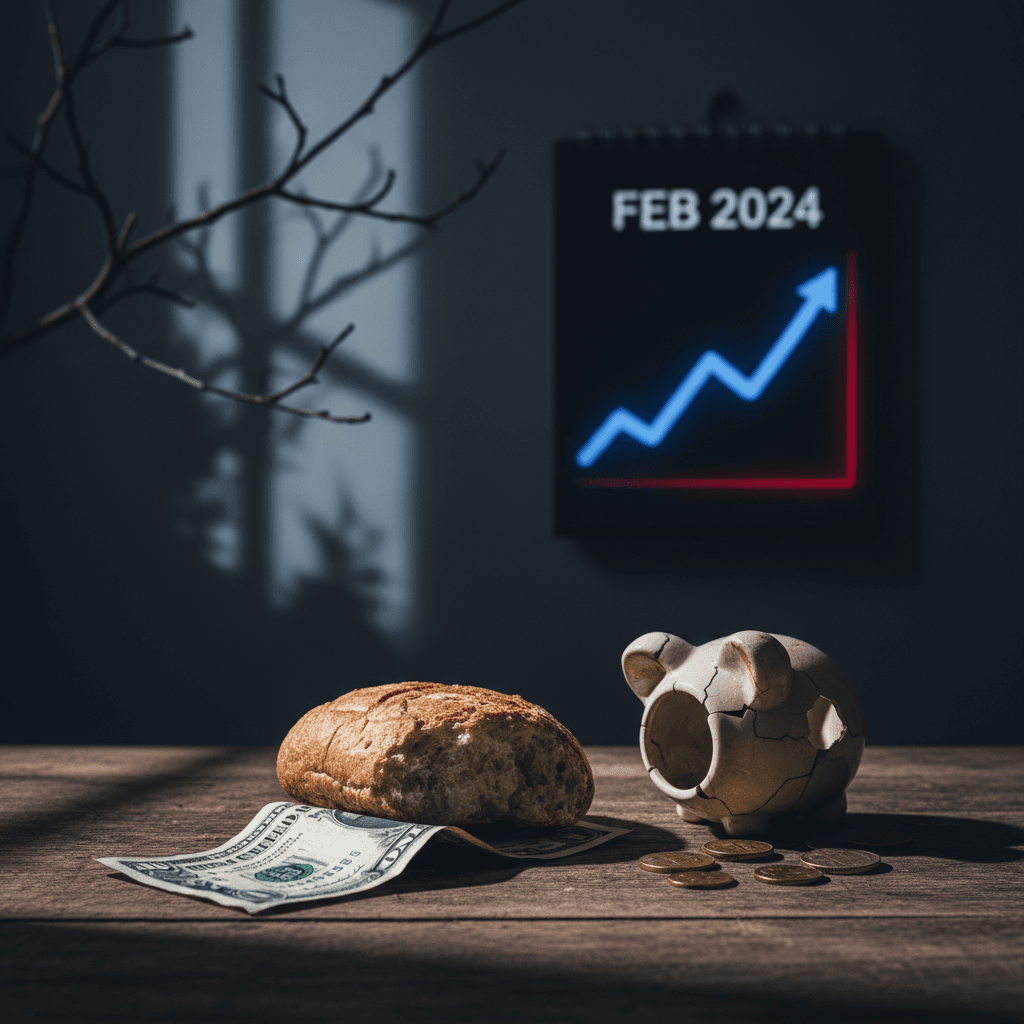
Food inflation rose **3.1%** in February, signaling persistent pressure on household budgets as geopolitical instability intensifies. While some reports optimistically point to a "value reset" driving prices down, the overwhelming data suggests consumers should brace for further grocery cost increases in 2026.
The Big Picture
The global economic landscape continues to pressure food prices, with February's food inflation climbing 3.1%. This increase comes amidst heightened fears of a broader food shock fueled by the ongoing Middle East conflict, threatening critical supply chains. Despite a contrarian view suggesting a "value reset" is driving prices down, the consensus among major outlets points to sustained or rising costs for the foreseeable future, impacting everything from pantry staples to beef.What's Moving
The most immediate concern is the looming global food price shock, directly linked to the Middle East war. CNBC warns of significant disruptions, with vulnerable regions expected to bear the brunt. This geopolitical instability is a primary driver behind the anticipated rise in grocery prices throughout 2026, as noted by Food Dive and CBS News's price tracker, which shows continued upward trends across multiple household expenditures including food, gas, and utilities.Adding to the inflationary pressure, Talk Business & Politics confirms that food inflation hit 3.1% in February, with beef prices notably higher. This specific data point undercuts any broad claims of declining costs. While The Food Institute suggests a "Value Reset" is driving food prices down, our analysis views this as an isolated or segment-specific claim, given the weight of evidence pointing to upward trajectories. The humanitarian crisis in Yemen provides a stark example of extreme food price volatility, with the latest ReliefWeb bulletin on March 15th detailing ongoing market disruptions. Politically, Axios highlights rising fears of a food shock impacting midterm elections, underscoring the widespread economic anxiety.

The Bottom Line
The data is clear: food prices are rising, not falling. Consumers and businesses must prepare for continued inflationary pressures driven by geopolitical instability and supply chain vulnerabilities. Skepticism is warranted when encountering claims of a broad "value reset"; focus on the actual, verifiable inflation figures. Monitor local market trends and adjust purchasing strategies to mitigate the impact of persistent price hikes.
Get Tomorrow's Layoff Briefing Today
AI displacement data, hiring signals, and Spotlight job leads — in your inbox every morning.
Track every layoff in real time
See which companies are cutting, how many jobs are affected, and whether AI is the cause.
Related Reading


Daily briefing — free