

Food Inflation Hits **3.1%**: Geopolitics Clash with "Value Reset" Claims
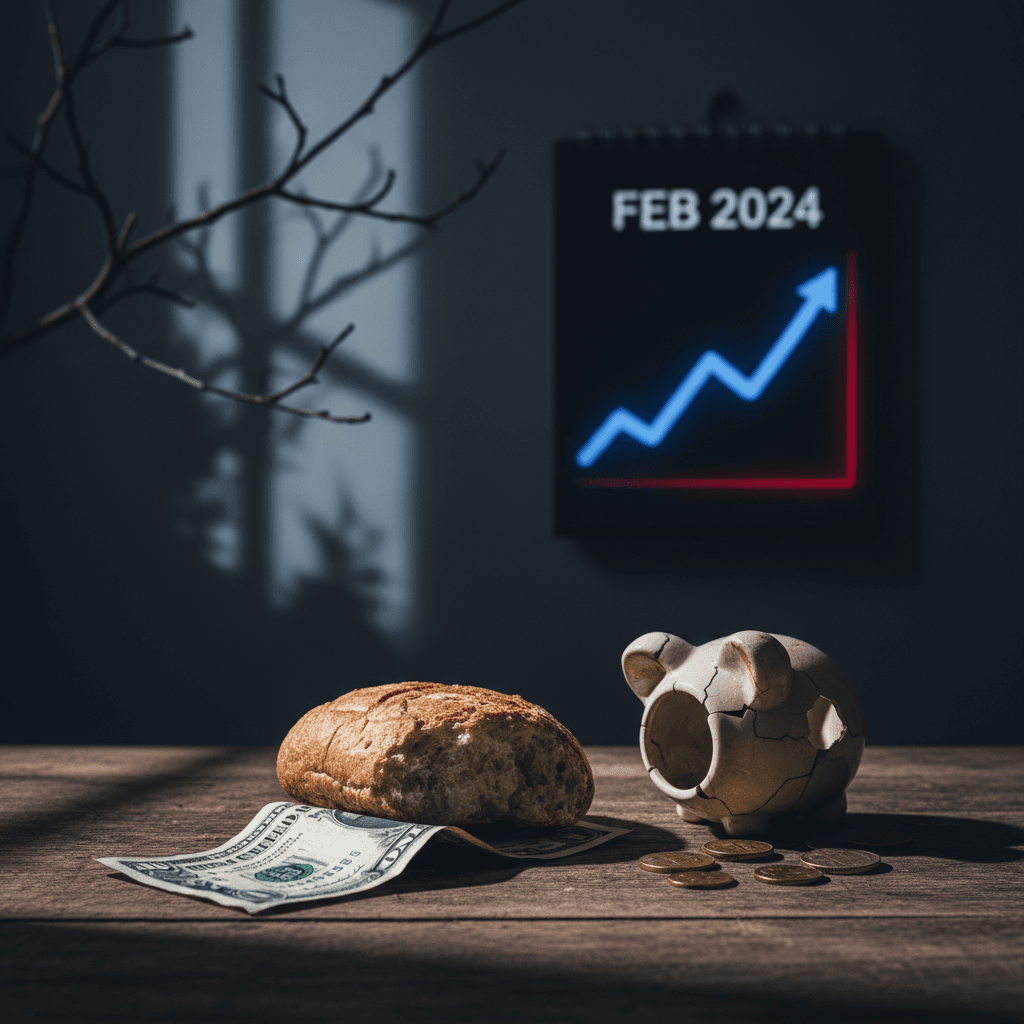
February saw food inflation climb to **3.1%**, driven by rising beef prices and global instability. Despite some claims of a "value reset" driving prices down, escalating geopolitical tensions suggest a looming food price shock for 2026.
The Big Picture
The economic landscape for food prices in early 2026 is a tangled web of conflicting signals and data. While Talk Business & Politics reports February food inflation at a notable 3.1%, anchored by higher beef prices, The Food Institute provocatively suggests a "Value Reset" is here, driving prices down. This divergence underscores the volatile nature of the market, where domestic supply-side dynamics battle against potent global forces. Meanwhile, general cost pressures, from gas to housing, continue to squeeze consumer budgets, making food price movements particularly impactful.What's Moving
The most immediate and concerning driver for food prices is the escalating geopolitical climate. Both CNBC and Forbes highlight the "Middle East war" and "Iran War" as direct threats, predicting a "global food price shock" and "hidden costs" on grocery bills. This isn't abstract; disruptions to energy markets, shipping lanes, and agricultural supply chains in such a critical region directly translate to higher input costs for producers and retailers. Grocery Dive corroborates this, forecasting general "grocery prices are set to rise in 2026." The 3.1% inflation figure for February, with beef prices specifically called out as higher, provides a concrete data point that aligns with these rising cost predictions, showing the trend is already in motion.Conversely, The Food Institute's "Value Reset" narrative stands out as an outlier. While specific details aren't provided in the headline, such a claim in the face of widespread inflationary pressures and geopolitical instability warrants deep scrutiny. Is it a localized phenomenon, an optimistic projection based on specific commodities, or simply marketing spin? LayoffWatcher remains skeptical until comprehensive data substantiates widespread deflationary trends, especially when restaurant menu prices, as tracked by the National

Get Tomorrow's Layoff Briefing Today
AI displacement data, hiring signals, and Spotlight job leads — in your inbox every morning.
Track every layoff in real time
See which companies are cutting, how many jobs are affected, and whether AI is the cause.
Related Reading


Daily briefing — free